

Description
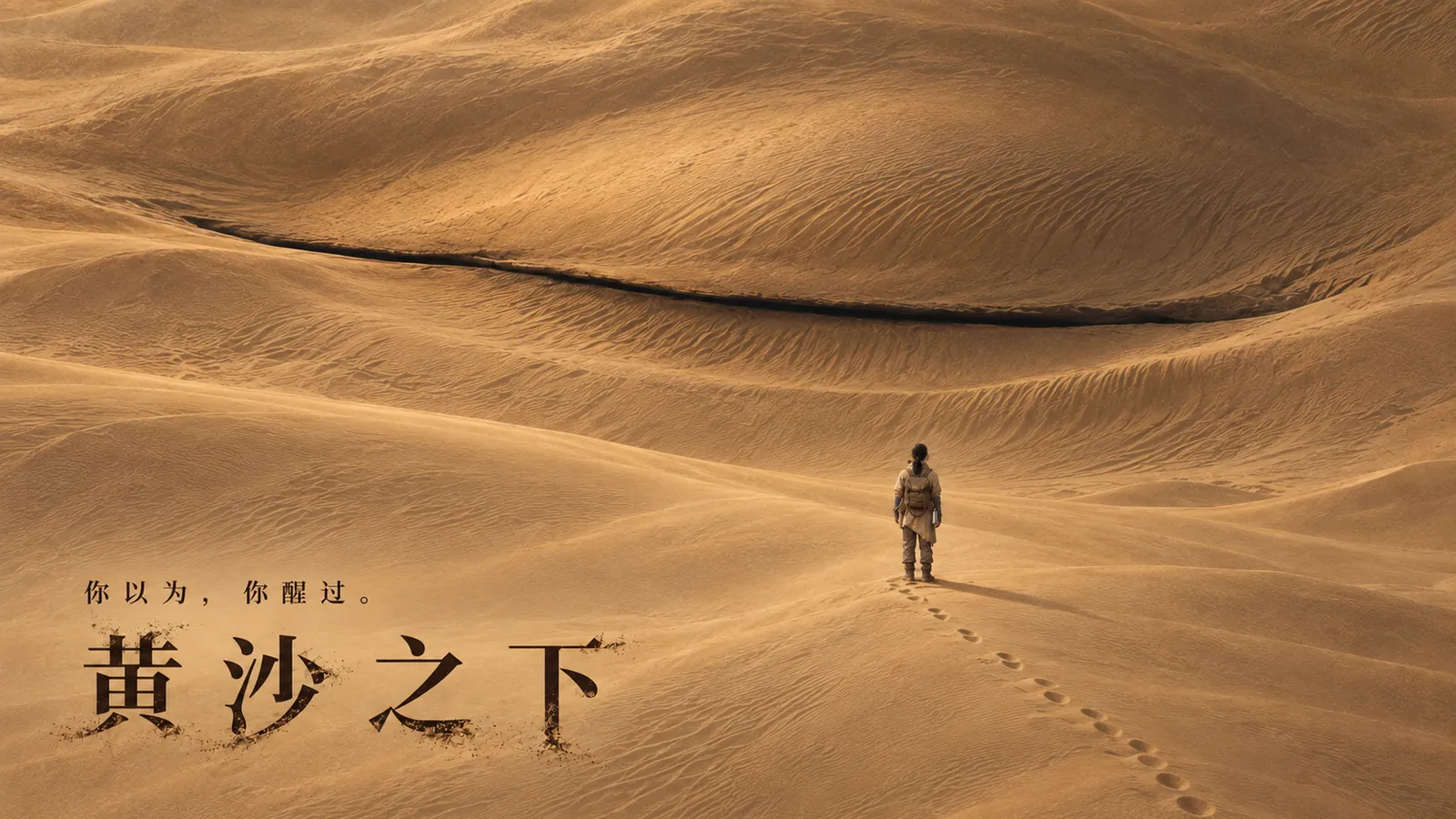
BENEATH THE DREAM is a mystery-fantasy short film set against a search for water in the desert. While looking for a lost ancient riverbed, Ahe falls and is knocked unconscious. She enters dreams nested within dreams, moving between underground ruins and a temple from a thousand years ago, where she meets a priestess with her own face. Each time she believes she has woken up, the familiar people and the world around her dissolve once more.
Built around dreams within dreams and a recurring call to wake up, the film invites viewers to follow Ahe through discovery, disorientation and awakening. This journey of self-discovery is a gift for anyone who has ever felt lost.
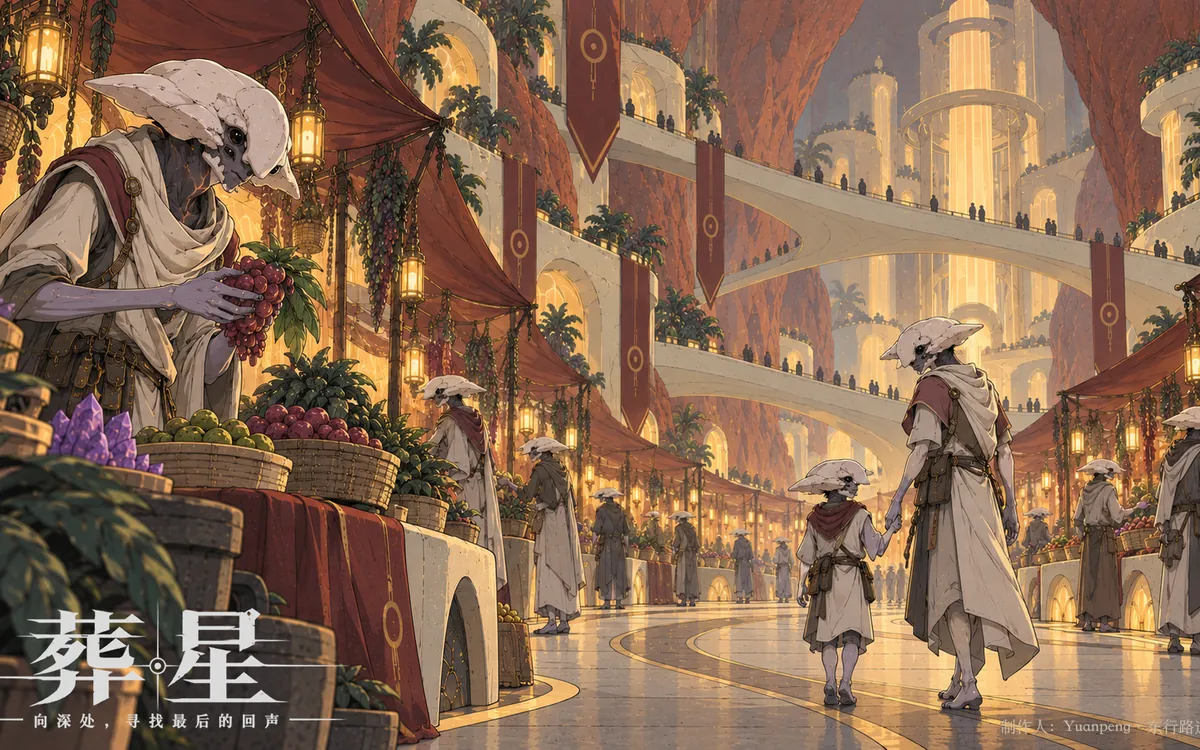
Production began with the script and storyboards, followed by AI-generated character and environment references. Blender was used to build the spaces and rehearse camera placement and movement, before AI video generation and editing brought the imagery together. The key technical goals were consistent characters, ancient and present-day versions of the same spaces that mirror each other, and transitions in which people turn to sand and environments dissolve, so the layers of the dream reveal themselves gradually through image and sound.
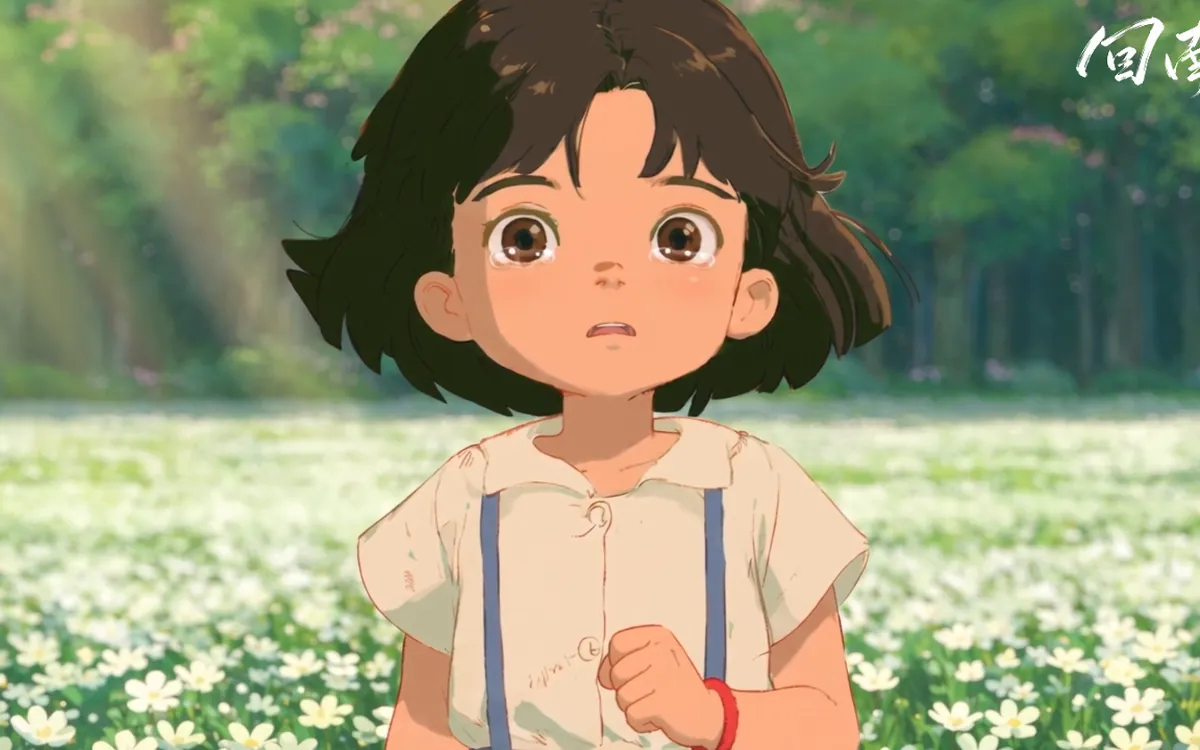
Character cards were made with AI image generation; TapNow, PixVerse and Lovart helped with visual assets and AI video generation, and the music was generated with Suno.
How Tripo was used
Tripo gave BENEATH THE DREAM its 3D spatial reference: scene models were rendered as animated previs, which then guided the AI video generation.
- Scene models: the 3D models of the tent, desert, city and temple were generated with Tripo and used in Blender for camera design, camera movement and animated previs renders, so composition, spatial proportions and shot transitions could be tested early, speeding up the path from scene idea to visual previs.
- Spatial reference for AI video: rendered as animated previs, the scene models guided the video generation. The closer the models are to the real scene, the better the AI captures the relative scale of people and buildings, perspective and spatial change in motion, and the more consistent the shots look from one to the next.