

Description
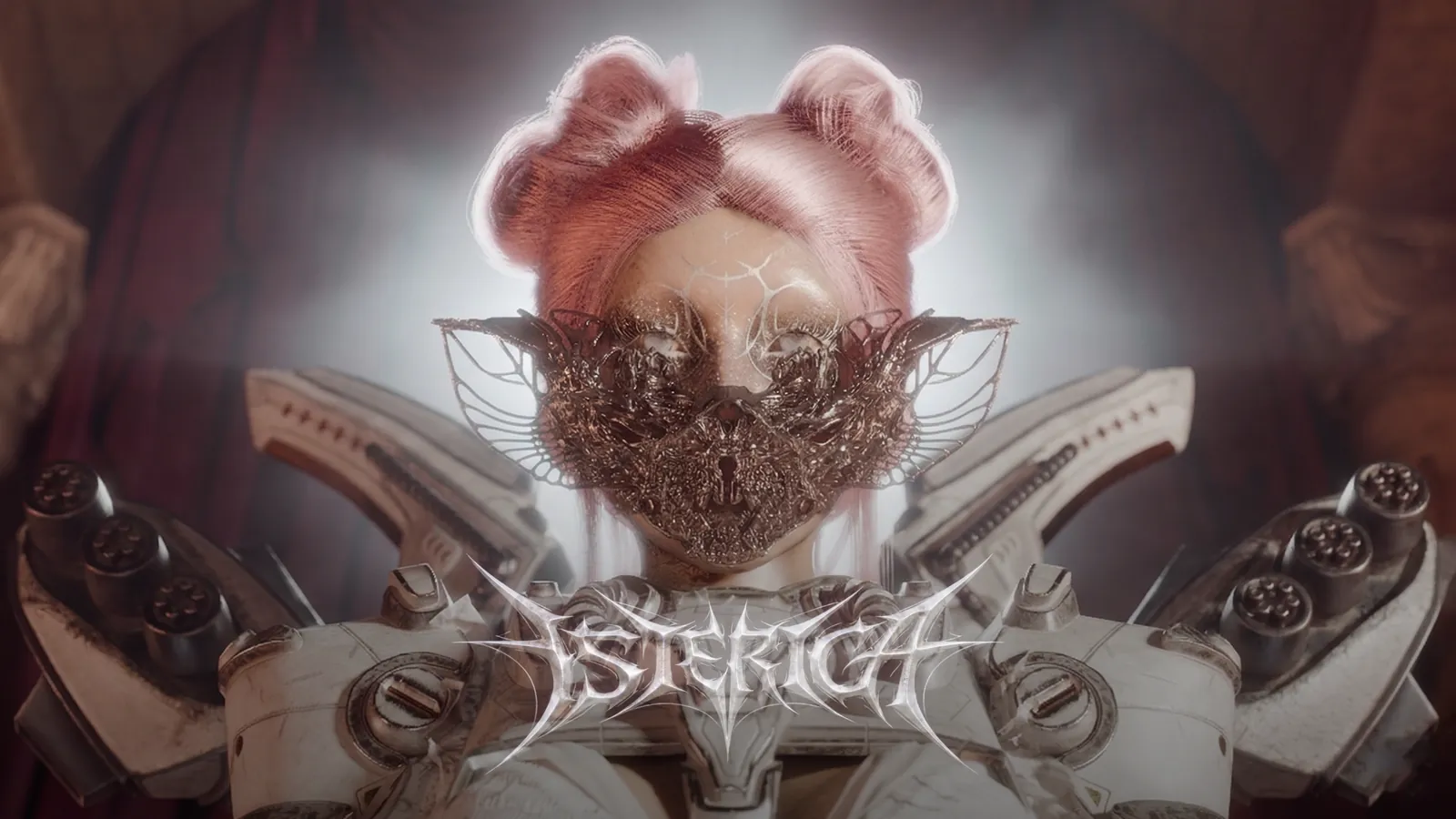
ISTERICA is a 3D animated music video that explores how "madness" is constructed, through a fictional story about a hunted race of female monsters. Reinterpreting the historical stigma of hysteria, it examines how power and control shape the way women are seen, categorized and treated.
Four character looks embody four identities. Clothing, makeup and accessories work with symbolic environments and character transformations to express these shifting positions. The film asks who has the authority to call someone a monster, and how looking itself can become part of the structures that define and constrain them.
Production combines 3D work in Blender with AI-assisted design and animation. Character modeling, scene assembly, rendering and some of the animation were done in Blender, and part of the clothing and accessory assets came from Daz 3D. ChatGPT Image helped design accessories and decorative frames, which Tripo turned into 3D models for the scenes, so AI-generated designs became three-dimensional assets in the film's visual world. Depending on the shot, ChatGPT Image also helped with backgrounds, relighting and pose refinement, while Kling and Seedance contributed animation and visual effects such as cloth movement and fracturing.
The wider thesis carries these identities into a TouchDesigner installation, where viewers can put on the characters' accessories or makeup through real-time interaction, and into physical space through 3D-printed accessories. Together, these forms explore how viewers become implicated in the roles of perpetrator, bystander and victim.
ISTERICA is a gift to people called "mad" for wanting a life of their own: a fictional world in which stigmatized identities can be encountered and reconsidered. An initial demo from July 2026 already had the story concept, character designs, core visual assets and a first set of scenes and shots. During the hackathon, the author reworked scene construction and staging, refined composition and camera work, added several new shots, polished existing footage, built the TouchDesigner interactive component, and 3D-printed character accessories that had never been printed before.
How Tripo was used
Tripo turned AI-generated designs into the film's 3D assets, supporting both character design and world-building.
- Accessories and frames: character accessories, ornate frames and other scene assets were generated with Tripo, some of them based on ChatGPT Image designs.
- Into the film: the author brought these assets into Blender for scene assembly, animation and rendering, with selected shots further refined in ChatGPT Image and animated in Kling.
- Into the real world: character accessories that had never been printed before were produced with printing support from Tripo.