

Description
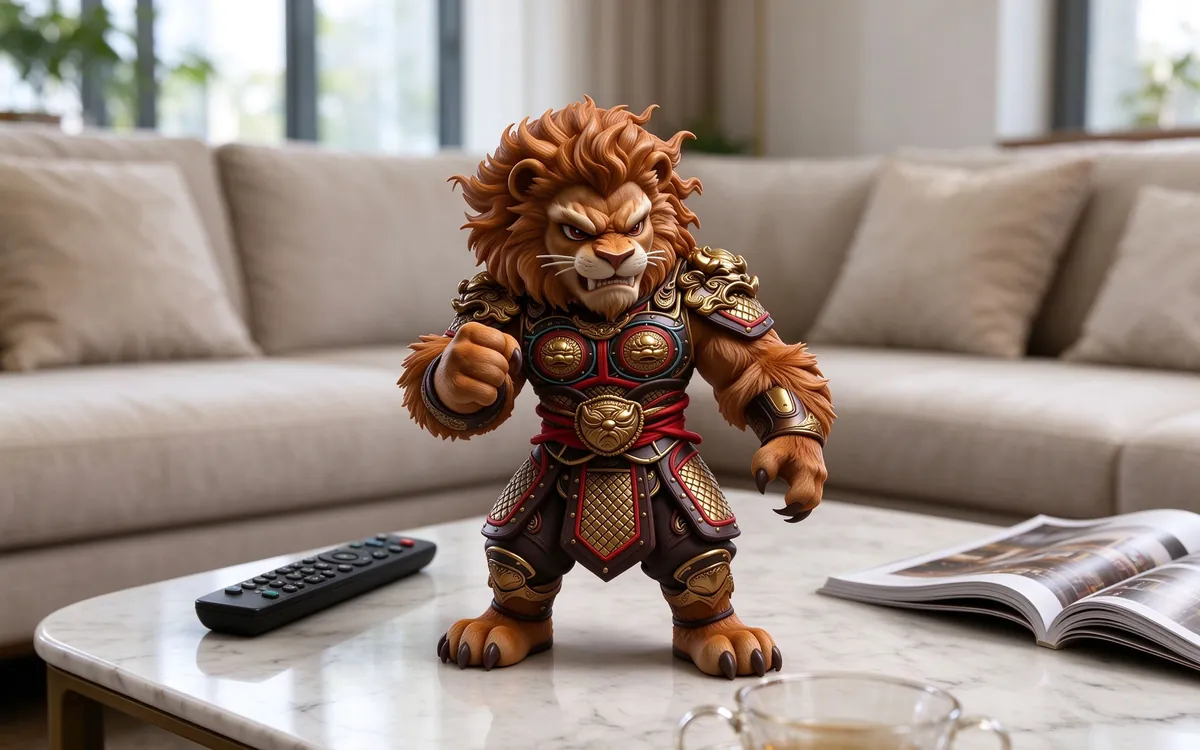
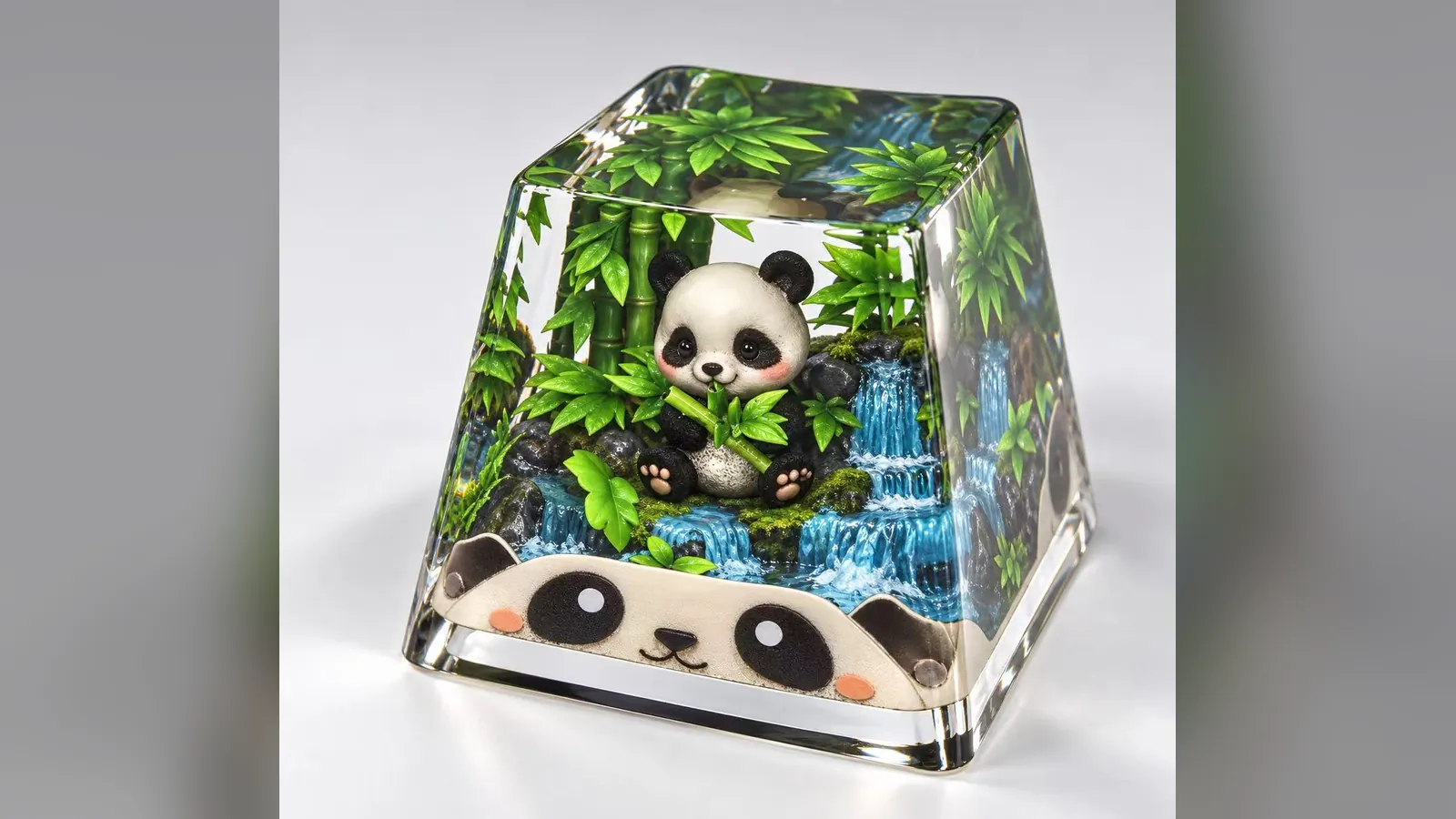
Mythic Keycaps is a miniature world condensed onto your fingertips. The series uses keycaps to redesign real animals, and fantastical creatures from different cultures and myths, as small self-contained worlds: a panda lives among bamboo and streams, a unicorn stands among flowers and water, and the nine-tailed fox, the dragon and the phoenix each have their own setting, colors and story.
Each keycap holds more than a character: the character is sealed in together with the world it lives in. The clear shell is like a small display capsule, or a window into another world, where plants, flowing water, rocks, mist, light and the character form a complete miniature scene.
The author chose keycaps because the keyboard is one of the most ordinary, even mechanical, tools of modern life. It gets tapped hundreds or thousands of times a day, and the author wanted to put a little imagination into that repetition. Look down at the keyboard and you no longer see a row of function keys, but tiny worlds, each with its own life and story. The clear material also rewards different viewing angles: as the light and your viewpoint change, the characters, plants and scenery inside show different layers of depth, and from the front, the side or up close there is always a new detail to find. It is a keycap you can actually use, and a miniature artwork to admire, collect and play with.
The gift is for everyone who still holds on to a childlike heart, imagination and curiosity. The author hopes it reminds people that even the most ordinary desk and the most repetitive days can hide a fantasy world of your own. One keycap, one world; one keystroke, one encounter with imagination.
To make it, the author combined personal ideas with GPT, then brought them to life in Tripo: the models were mainly generated with Tripo, with ZBrush in a supporting role.
How Tripo was used
These keycaps skip the traditional modeling route: the models were mainly generated with Tripo, which handled roughly 90% or more of the work.
- Workflow: the author first combined personal ideas with GPT, then generated the models in Tripo.
- Support: ZBrush was used afterward for supporting 3D modeling work.